 Engagement ring with one diamond
 Engagement ring with scattered diamonds
 Wedding ring for her
 Wedding ring for him


 About the brand
 How diamonds grow
 Blog
Blog
 Solo community
 Media
Media
 About diamonds in simple words

 Ukraine
 Europe
 United States
Diamond engagement ring. A tradition that became a symbol of love
A marriage proposal is one of the most important moments in the lives of two people. Today, it is almost impossible to imagine it without a piece of jewelry that has become a universal symbol of commitment, trust, and the desire to build a future together.
22.07.2026
from Julia Kusher
3 min read
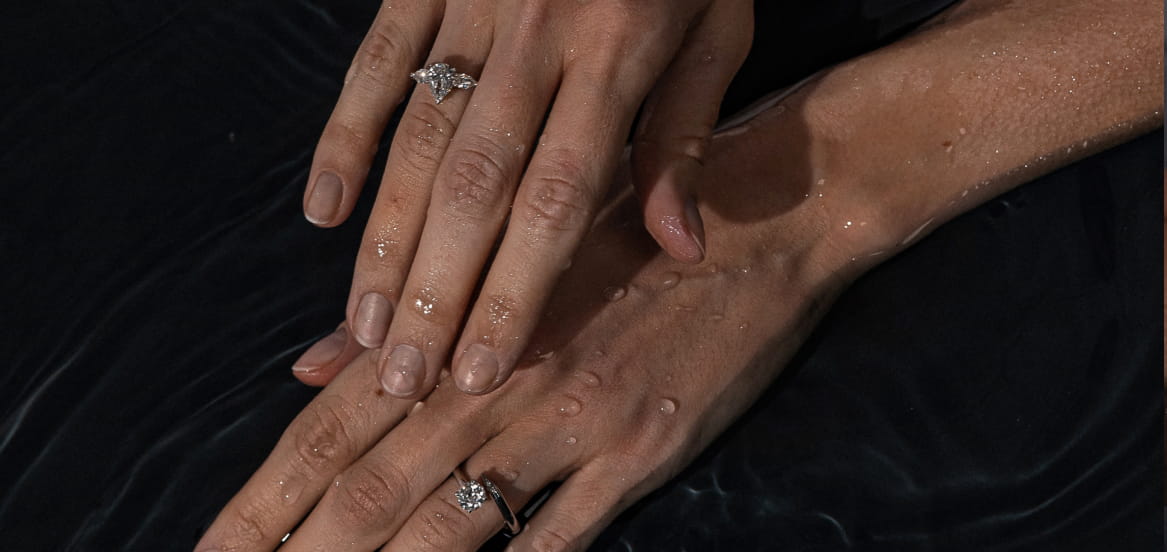
The material was prepared with the participation of Yuliia Kusher, an internationally certified gemologist and founder of SOLO for Diamonds. She specializes in lab-grown diamonds, advanced jewelry technologies, and international gemstone grading standards.
Why a diamond engagement ring became the symbol of love
A marriage proposal is one of the most meaningful moments in the lives of two people. Today, it is almost impossible to imagine this occasion without a ring — a universal symbol of commitment, trust, and the desire to build a future together. That is why a diamond ring has remained the most popular choice for proposals for decades.
A diamond is regarded as a symbol of eternity because of its exceptional durability, strength, and brilliance. Like true love, it does not lose its value over time, making it the perfect representation of a lasting union.
However, the tradition of presenting a ring during a proposal began long before diamonds became its defining feature.
How diamond engagement rings became a global tradition
The history of the engagement ring dates back thousands of years. In Ancient Egypt, the circular shape of the ring symbolized eternity, while wearing it on the fourth finger of the left hand was associated with the mythical "vein of love," believed to lead directly to the heart.
In Ancient Rome, the engagement ring represented the union of two families and demonstrated the groom's prosperity. At that time, however, precious gemstones were not yet considered an essential part of the ring.
A defining moment came in 1477, when Archduke Maximilian of Austria presented Mary of Burgundy with a gold ring adorned with diamonds arranged in the shape of the letter "M." This historic gesture established the tradition of giving diamond engagement rings among European nobility, which eventually spread across the world.
Over time, a single center diamond became the ultimate symbol of two people choosing to begin a shared life together.
[products]
How the diamond ring became the ultimate engagement symbol
The popularity of diamond engagement rings grew dramatically during the twentieth century. A key turning point was the iconic "A Diamond Is Forever" advertising campaign, which permanently transformed the perception of engagement jewelry.
From that moment on, diamonds came to symbolize not only exceptional beauty but also everlasting love, loyalty, and lifelong commitment. The message resonated so strongly that it became deeply rooted in global culture.
Today, diamond engagement rings remain a timeless tradition regardless of country or culture. They accompany some of life's most emotional moments and often become treasured family heirlooms passed down through generations.
Engagement rings with lab-grown diamonds: a modern choice
As the jewelry industry continues to evolve, lab-grown diamond engagement rings are becoming increasingly popular alongside traditionally mined diamonds.
A lab-grown diamond is created using advanced technologies that replicate the natural conditions under which diamonds form. As a result, it has the same chemical composition, crystal structure, hardness, and optical properties as a mined diamond. These diamonds are certified by internationally recognized gemological laboratories and comply with global quality standards.
For many modern couples, choosing a lab-grown diamond engagement ring is a way to honor tradition while embracing sustainability and conscious consumption.
Lab-grown diamonds for engagement rings: what you should know
Only a few years ago, lab-grown diamonds were considered a novelty. Today, they have become a well-established alternative to natural diamonds.
The only real difference between them is their origin. Their physical, chemical, and optical properties are identical.
| Criteria | Natural Diamond | Lab-Grown Diamond |
| Origin | Formed naturally | Created in a laboratory |
| Chemical Composition | Carbon | Carbon |
| Hardness | 10 on the Mohs scale | 10 on the Mohs scale |
| Brilliance | Identical | Identical |
| Certification | GIA, IGI, and others | GIA, IGI, and others |
| Price | Generally higher | More affordable |
"Today we are witnessing a shift in consumer culture. More and more couples choose lab-grown diamonds for their engagement rings not only because they are more accessible, but also because they are ethical and completely identical to natural diamonds," says Yuliia Kusher, founder of SOLO for Diamonds.
For this reason, lab-grown diamonds are increasingly chosen by those who value cutting-edge technology, transparent sourcing, and exceptional quality.
How to choose an engagement ring
When choosing an engagement ring, it is important to consider not only the size of the diamond but also its color, clarity, cut, and the type of precious metal.
Pay attention to these key factors:
- Diamond cut shape
- Carat weight
- The internationally recognized 4C grading system
- Ring design
- Availability of a gemological certificate
The 4C system is the international standard for diamond grading and evaluates a diamond according to four key characteristics:
- Carat — Measures the diamond's weight and influences its perceived size.
- Color — Indicates the diamond's color grade, ranging from colorless (the most valuable) to stones with slight color tints.
- Clarity — Evaluates the presence or absence of internal inclusions and external blemishes.
- Cut — Determines how effectively the diamond reflects light and displays its natural brilliance.
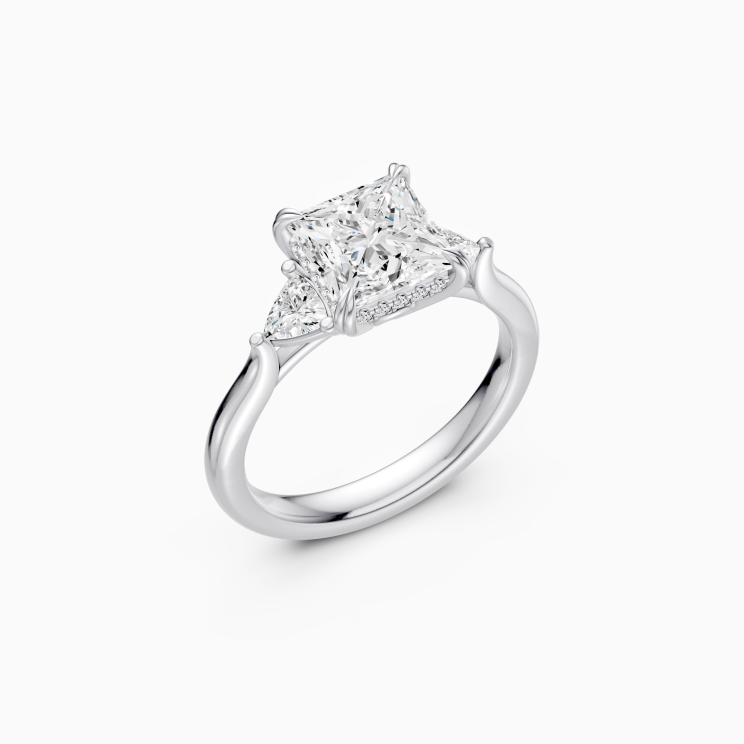
Classic solitaire engagement rings featuring a single center diamond remain the most timeless choice. However, contemporary collections also offer more distinctive designs that highlight the individuality of the future bride.
How the engagement ring tradition is evolving in Ukraine
Ukraine's engagement traditions have been shaped by European customs while preserving unique national symbols and rituals.
Historically, embroidered towels, scarves, and ceremonial gifts symbolized acceptance of a marriage proposal. The engagement ring itself became a common tradition much later.
Today, Ukrainians increasingly choose diamond jewelry to symbolize enduring love and serious commitment. At the same time, interest in lab-grown diamond jewelry continues to grow, reflecting a preference for modern technology, ethical values, and exceptional craftsmanship.
This philosophy is embraced by SOLO for Diamonds, whose engagement ring collections combine timeless traditions with contemporary design and innovative jewelry technologies.
Choose your SOLO for Diamonds engagement ring
A marriage proposal marks the beginning of a new chapter, and every detail of this moment carries special meaning. SOLO for Diamonds engagement ring collections combine contemporary design, exceptional craftsmanship, and lab-grown diamonds that meet international quality standards.
If you are preparing to take one of life's most meaningful steps, our experts will help you find an engagement ring that becomes a lasting symbol of your unique love story.
FAQ
Is a lab-grown diamond engagement ring suitable for a proposal?
How to choose an engagement ring?
Why is a diamond a symbol of love?




you may also be interested in
14.08.26
7 myths about lab-grown diamonds that are time to dispelAre lab-grown diamonds real or not? We explain in simple terms how they differ from natural diamonds and what to consider when choosing a piece of jewelry. We separate facts from common misconceptions to help you better understand the stone and make an informed choice.
read05.08.26
What are lab-grown diamonds: a complete guide in simple wordsLab-grown diamonds are real gemstones that differ from natural diamonds only by their origin. Discover everything you need to know about HPHT and CVD technologies, certification, differences from natural diamonds, and key factors to consider when choosing a diamond.
read05.08.26
HPHT vs. CVD: how are diamonds really grown in a laboratory?Discover how modern technology transforms carbon into a real diamond, the stages each crystal goes through, and the key differences between the HPHT and CVD growing methods.
read15.08.26
Lab-grown or natural diamond: a complete comparison guideNatural or lab-grown diamond — what is actually different, and what remains the same? We compare their origin, characteristics, certification, and key features to help you make an informed choice.
read whatsapp
 Telegram
 EMail
EMail