 Engagement ring with one diamond
 Engagement ring with scattered diamonds
 Wedding ring for her
 Wedding ring for him


 About the brand
 How diamonds grow
 Blog
Blog
 Solo community
 Media
Media
 About diamonds in simple words

 Ukraine
 Europe
 United States
What are lab-grown diamonds: a complete guide in simple words
Lab-grown diamonds are real gemstones that differ from natural diamonds only by their origin. Discover everything you need to know about HPHT and CVD technologies, certification, differences from natural diamonds, and key factors to consider when choosing a diamond.
05.08.2026
from Julia Kusher
6 min read
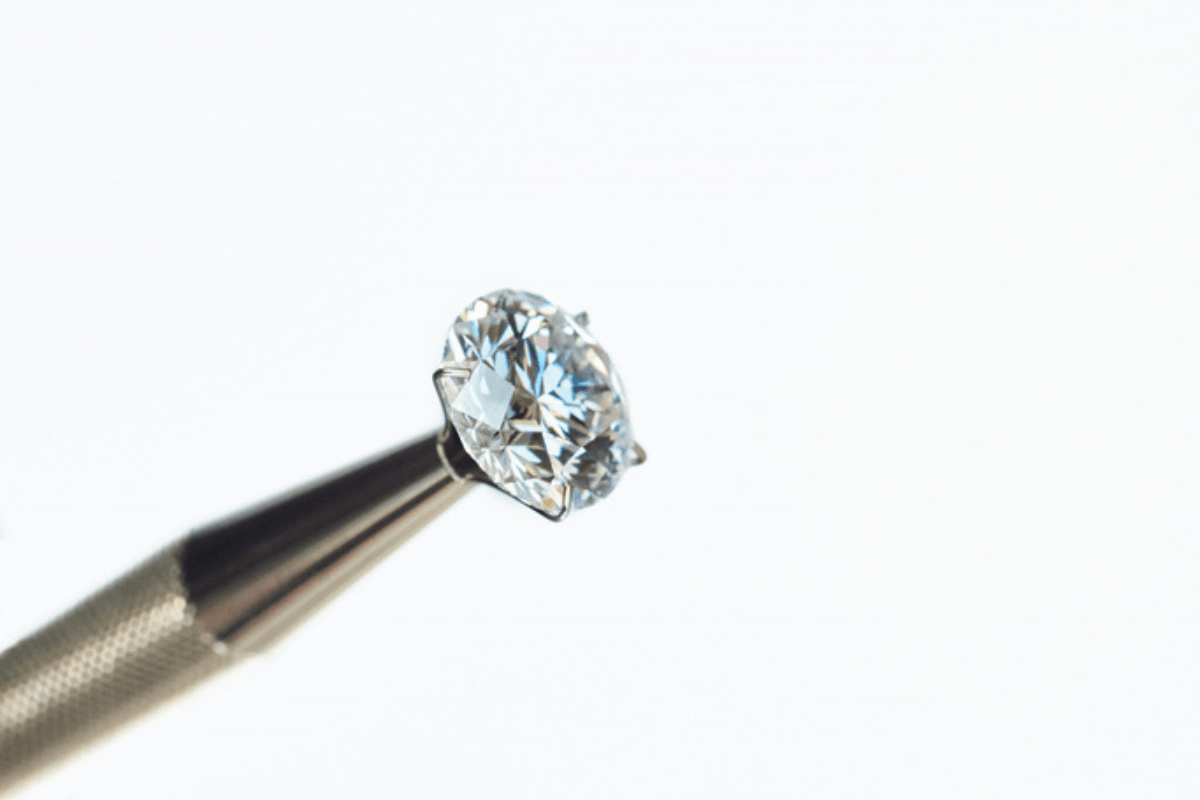
Just a few years ago, lab-grown diamonds were known mostly among professionals in the jewelry industry. Today, they have become one of the most noticeable trends in the global jewelry market. They are chosen by celebrities, young couples, conscious consumers, and everyone who wants a real diamond with a transparent origin.
The popularity of these stones is rapidly growing in Ukraine as well. More and more people are discovering the idea that a diamond can not only be found deep within the Earth but also created using modern technologies. This is why the topic raises many questions: Are lab-grown diamonds real diamonds? Can their quality be trusted? Why do they cost less, and how can you understand which option is right for you?
In this article, you will learn what lab-grown diamonds are, how they are created, how they differ from natural diamonds, how their authenticity is confirmed, and what to consider when choosing a diamond jewelry piece.
What Are Lab-Grown Diamonds?
Lab-grown diamonds are real diamonds created by humans in controlled laboratory conditions. They have the same chemical formula, crystal structure, hardness, and brilliance as natural diamonds, with the only difference being their origin.
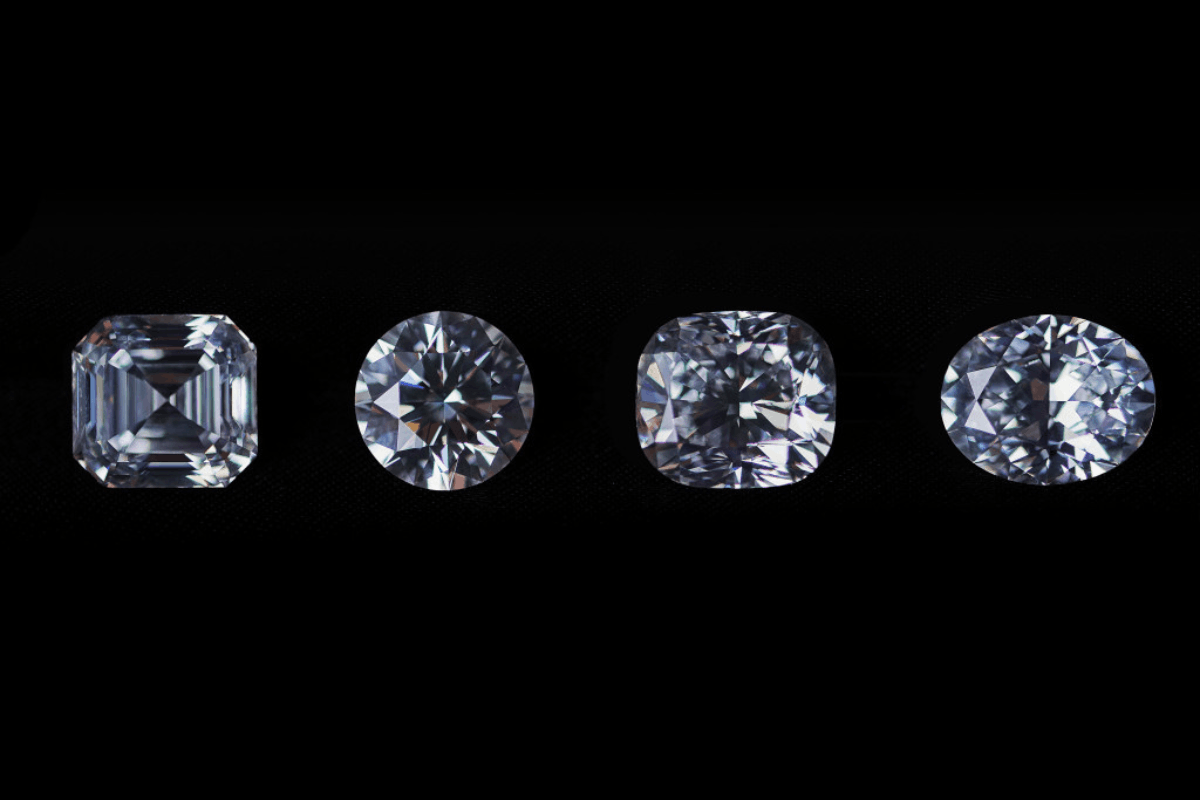
The key distinction lies in where they are formed: a natural diamond develops deep within the Earth over millions of years, while a lab-grown diamond is created using modern technologies that replicate the natural diamond formation process.
Different sources may use various terms, including lab-grown diamonds, laboratory-grown diamonds, or synthetic diamonds. In most cases, these terms refer to the same type of stone. However, the word “synthetic” can sometimes create a misleading association with imitations, even though lab-grown diamonds are not cubic zirconia or other diamond substitutes — they are genuine diamonds. That is why the terms “lab-grown” or “laboratory-grown” are becoming increasingly common, as they more accurately describe the origin of the stone.
How Are Lab-Grown Diamonds Created?
The modern jewelry industry uses two main methods for growing diamonds — HPHT and CVD.

The first method recreates the natural conditions under which diamonds form in the Earth’s crust, while the second allows a diamond crystal to gradually grow layer by layer from carbon inside a specialized laboratory chamber.
A simple analogy is that nature creates diamonds over millions of years, while modern technologies can reproduce the same process in a much shorter period of time. The result is the same precious gemstone with identical properties, but with a different origin.
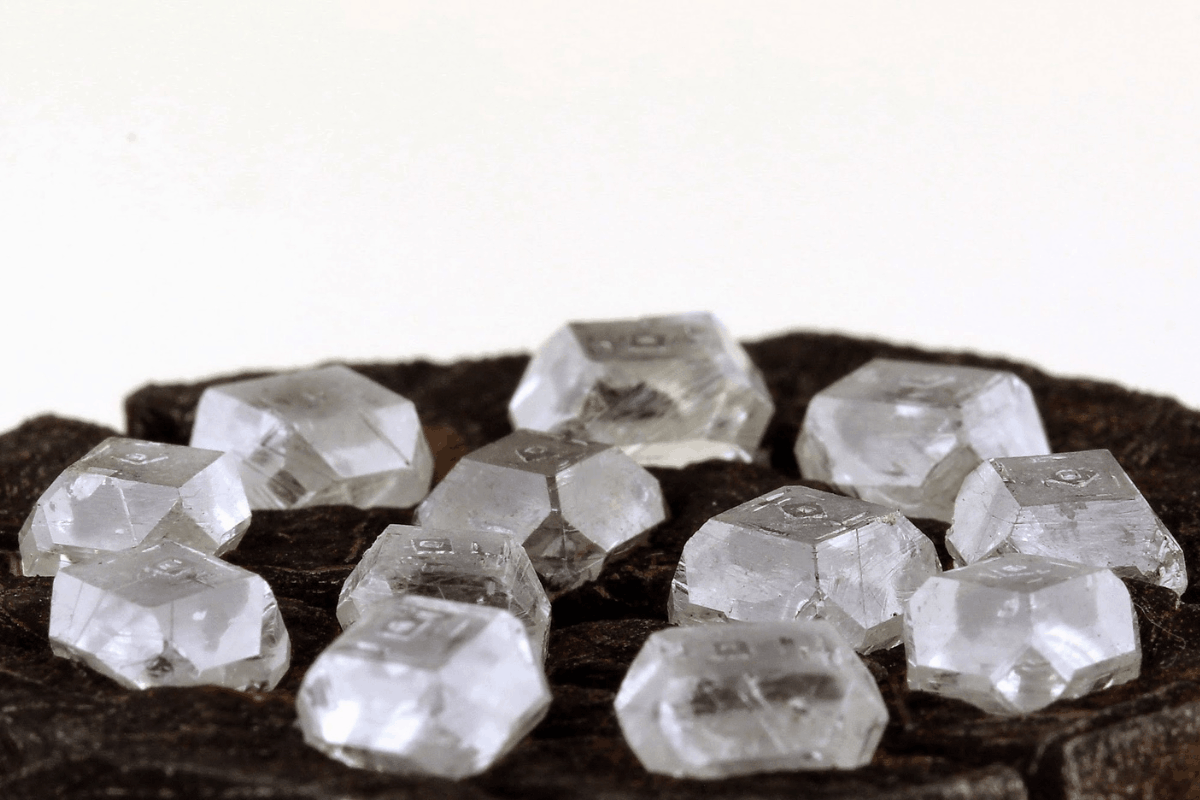
That is why lab-grown diamonds are now considered a full alternative to natural diamonds and are widely used in the creation of modern jewelry.
How Are Lab-Grown Diamonds Different from Natural Diamonds?
When it comes to the diamond itself, there is almost no fundamental difference. Both types consist of pure crystalline carbon, have the same physical characteristics, and are evaluated according to international standards. The main difference is where the diamond was formed — in nature or in a laboratory.
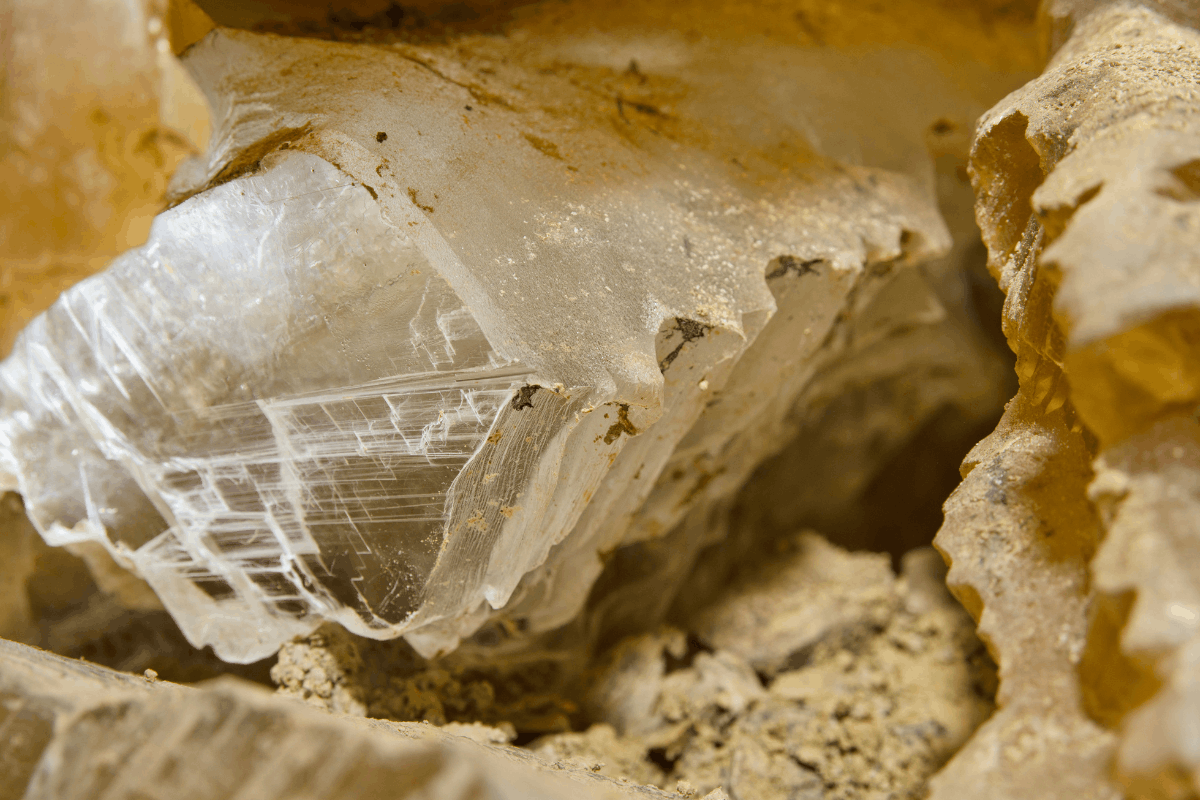
When choosing between a natural and a lab-grown diamond, it is important to consider not only its origin but also the main characteristics of the stone:
- Cut quality — determines how effectively the diamond reflects light and creates its signature brilliance.
- Color and clarity — influence the appearance, rarity, and overall value of the stone.
- Carat weight — indicates the size of the diamond.
- Certification — confirms the diamond’s characteristics, quality, and origin.
It is the combination of these factors that determines the value of a diamond and helps you make a choice based on your personal preferences.
Physical Properties
In terms of their characteristics, lab-grown diamonds are identical to natural diamonds. They have the same crystal structure, the highest level of hardness — 10 on the Mohs scale — and interact with light in the same way, creating the signature brilliance that diamonds are known for.
Without specialized equipment, it is impossible to determine the origin of a diamond. Moreover, even professional gemologists use advanced instruments, as a regular visual examination cannot reveal whether a diamond was formed naturally or grown in a laboratory.
Price
The most noticeable difference for buyers is the price. Depending on the characteristics of the stone, lab-grown diamonds are usually around 30–50% less expensive than natural diamonds of the same size and quality. This difference is not related to lower quality, but rather to the different creation process and the absence of the complex mining process required for natural diamonds.

As a result, buyers can often choose a larger carat weight or higher color and clarity grades within the same budget.
Are Lab-Grown Diamonds Real? Certification
A diamond’s authenticity is confirmed not by its origin, but by independent expert evaluation. That is why lab-grown diamonds undergo the same certification process as natural diamonds. The only difference is that the certificate separately indicates the stone’s origin.
Certification confirms the diamond’s characteristics and helps buyers feel confident about its quality. Therefore, when choosing diamond jewelry, it is important to pay attention to the presence of an international diamond certificate as well as the quality certificate provided by the manufacturer.

GIA
Gemological Institute of America (GIA) is one of the world’s most respected independent gemological laboratories. Its experts evaluate diamonds according to the internationally recognized 4Cs system: carat weight, color, clarity, and cut quality. A GIA certificate is one of the most recognized documents confirming the characteristics of a gemstone.
IGI
International Gemological Institute (IGI) is also among the leading international gemological laboratories. It works with both natural and lab-grown diamonds and is one of the most widely recognized organizations specializing in the certification of laboratory-grown stones. The certificate confirms the diamond’s characteristics and specifies its origin.
“A lab-grown diamond is not an imitation — it is the same carbon crystal as a natural diamond, only with a different origin. That is why we provide every stone with an international certificate and a jewelry quality certificate, ensuring that our customers can be confident in their choice,” says Yuliia Kusher, founder of SOLO for Diamonds.
The Most Common Myths About Lab-Grown Diamonds
Although lab-grown diamonds have long become part of the global jewelry industry, many stereotypes about them still exist. Most of these misconceptions come from a lack of knowledge or confusion between real diamonds and diamond imitations. Simply put, lab-grown diamonds are not the reason for these misconceptions.
Myth: They are not real diamonds.
In reality, they are genuine diamonds with the same crystal structure and physical properties. The only difference is their origin.
Myth: They can be easily identified with the naked eye.
No. Without specialized equipment, determining the origin of a diamond is practically impossible.
Myth: They are less beautiful than natural diamonds.
A diamond’s brilliance, transparency, and light performance depend on the quality of the cut and the characteristics of the individual stone, not on whether it was formed naturally or in a laboratory.
Myth: They lose their brilliance over time.
This is not true. Like any genuine diamond, a lab-grown diamond retains its properties and beauty throughout a lifetime.
Myth: Lab-grown diamonds are not suitable for engagement rings.
Today, more and more couples around the world choose lab-grown diamonds for engagement rings because they combine beauty, modern technology, and a conscious approach to jewelry selection.
How Much Do Lab-Grown Diamonds Cost?
The price of a lab-grown diamond depends on the same characteristics as a natural diamond: carat weight, color, clarity, and cut quality. In general, they cost approximately 30–50% less than natural diamonds with similar characteristics.
Thanks to this, buyers can often choose a larger stone or higher-quality characteristics without increasing their budget. The practical value of such jewelry is not only appreciated at the moment of purchase but also over time. That is why lab-grown diamonds are becoming an increasingly popular choice for those who want maximum value without compromising on quality.
If you are planning to purchase lab-grown diamond jewelry, pay attention not only to the size of the stone but also to its certification, characteristics, and the reputation of the brand.
Why Choose SOLO for Diamonds?
SOLO for Diamonds is a Ukrainian jewelry brand that follows the principle of “grown, not mined.” We create jewelry with lab-grown diamonds, combining modern technologies, exceptional craftsmanship, and the transparent origin of every stone.
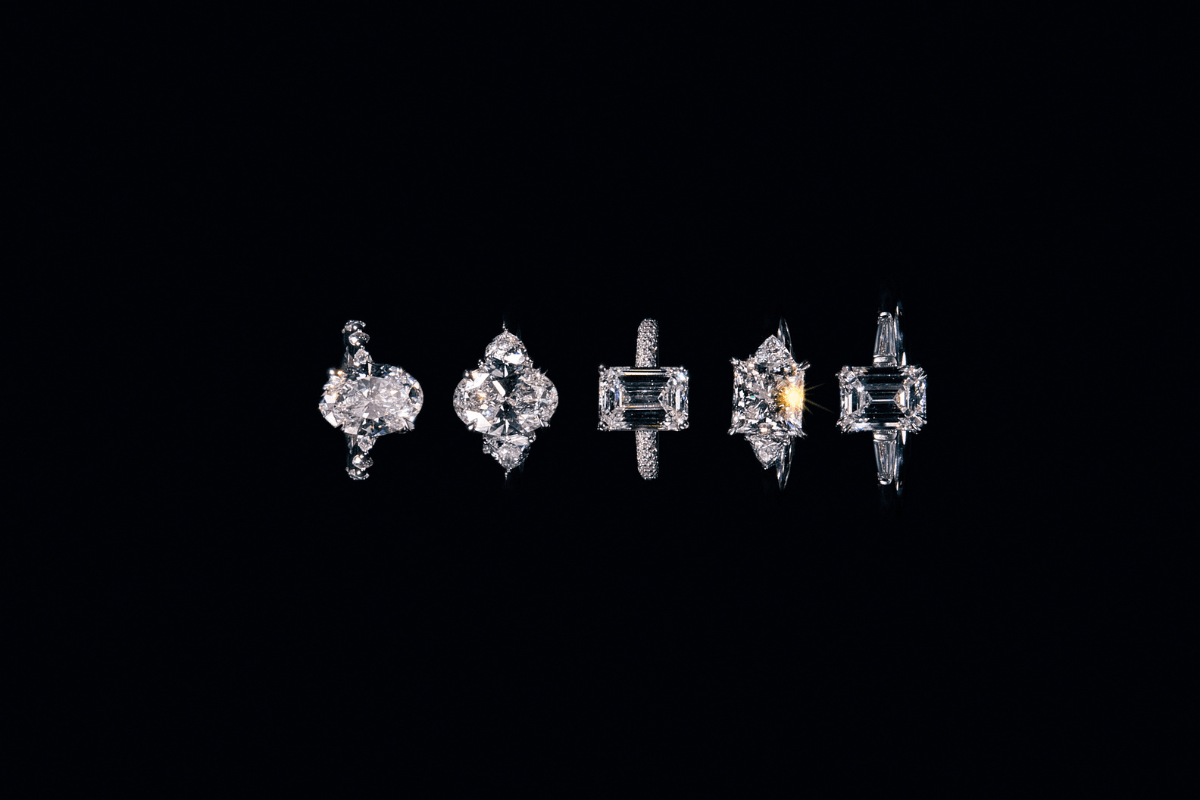
The brand’s production is located in Ukraine, and the quality of each jewelry piece is confirmed by the appropriate documentation. In addition to international diamond certification, customers receive a jewelry quality certificate. The expertise of the SOLO for Diamonds team is also recognized through international awards: the brand became a winner of the prestigious JCK Awards in 2021, 2023, and 2024.
Made in Ukraine (Alkor-D)
Unlike many companies that work with ready-made imported jewelry, SOLO for Diamonds has its own production facility — the Alkor-D jewelry factory.
This allows complete quality control at every stage: from design development to the final inspection of each finished piece. Having its own production makes it possible to create original collections, work with custom orders, and offer customers authentic Ukrainian gold jewelry rather than products from standard catalog collections.
Rings with lab-grown diamonds, earrings, necklaces, and bracelets are part of the brand’s jewelry collection, created by Ukrainian jewelers with exceptional attention to detail and high quality standards.
DNA Diamonds: A Unique Service
One of the most unique developments by SOLO for Diamonds is the ability to create a DNA diamond.
It is a special lab-grown diamond created using biological material from a loved one during the growth process. Such a stone becomes more than just a precious gemstone — it becomes a personal symbol of memory, love, or an important life story.
DNA diamonds offer a new perspective on personalized jewelry by combining advanced technologies with deep emotional meaning.
Visit SOLO for Diamonds Boutiques
Choosing jewelry with lab-grown diamonds becomes much easier when you can see it in person, appreciate the way it interacts with light, and try on different designs.
We invite you to visit SOLO for Diamonds boutiques at TSUM Kyiv and Victoria Gardens. Our consultants will help you compare different diamonds, explain their characteristics, and select a piece of jewelry that matches your preferences.
Lab-Grown Diamonds — A Conscious Choice
Modern consumers are increasingly paying attention not only to the beauty of jewelry but also to its origin, production transparency, and personal value. This is why lab-grown diamonds have become a new stage in the development of the jewelry industry.
They are not a compromise or a replacement for natural stones. They are the same diamonds created through a different process — an alternative for those comparing lab-grown and natural diamonds. They combine modern technologies, responsible resource use, sustainability, and the opportunity to make a choice based on personal values.
Understanding the origin of a diamond, its characteristics, and the factors that determine its value makes it much easier to find jewelry that will bring joy for many years and become part of your personal story.
FAQ
How much do lab-grown diamonds cost?


you may also be interested in
22.07.26
Diamond engagement ring. A tradition that became a symbol of loveA marriage proposal is one of the most important moments in the lives of two people. Today, it is almost impossible to imagine it without a piece of jewelry that has become a universal symbol of commitment, trust, and the desire to build a future together.
read05.08.26
HPHT vs. CVD: how are diamonds really grown in a laboratory?Discover how modern technology transforms carbon into a real diamond, the stages each crystal goes through, and the key differences between the HPHT and CVD growing methods.
read whatsapp
 Telegram
 EMail
EMail