 Engagement ring with one diamond
 Engagement ring with scattered diamonds
 Wedding ring for her
 Wedding ring for him


 About the brand
 How diamonds grow
 Blog
Blog
 Solo community
 Media
Media
 About diamonds in simple words

 Ukraine
 Europe
 United States
Lab-grown or natural diamond: a complete comparison guide
Natural or lab-grown diamond — what is actually different, and what remains the same? We compare their origin, characteristics, certification, and key features to help you make an informed choice.
15.08.2026
from Julia Kusher
8 min read
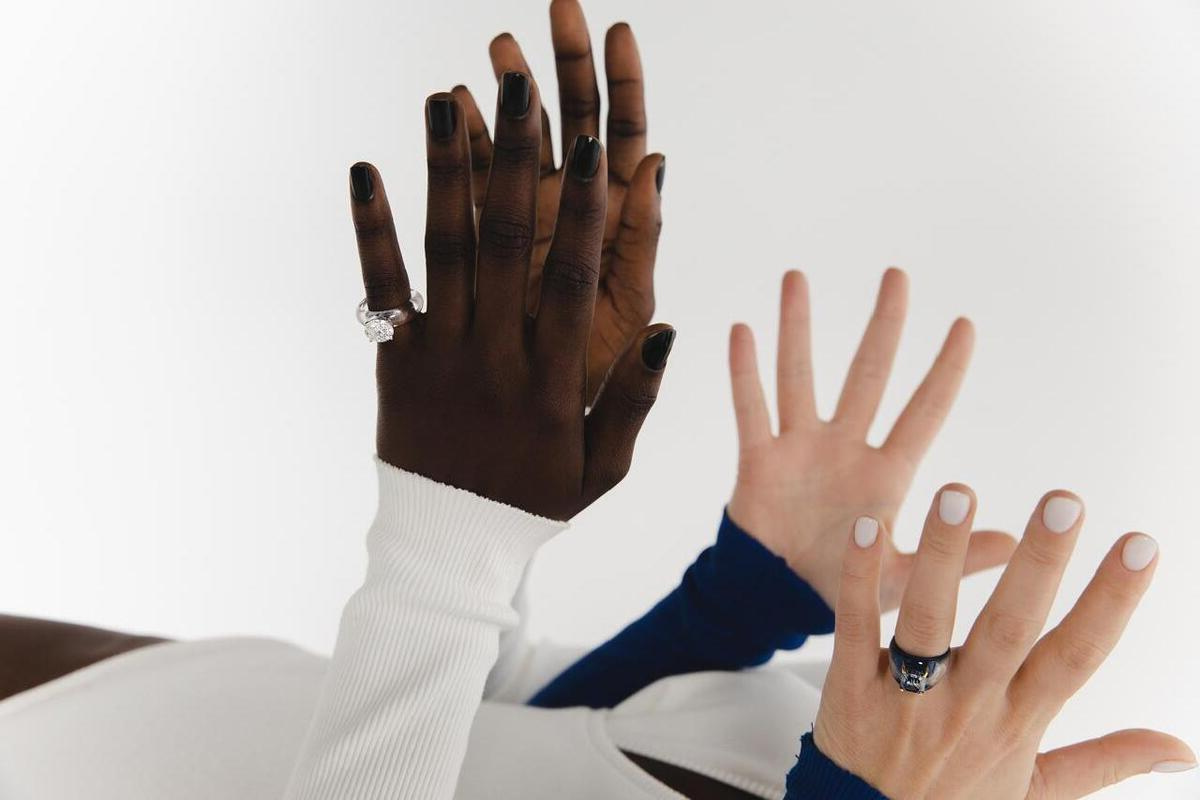
At first glance, the difference seems obvious: both stones are real diamonds, but one formed deep within the Earth, while the other was grown using modern technology. But does that mean one is real and the other is not? And what actually changes with their origin: price, quality, durability, uniqueness, or value?
In this guide, we explore which to choose — a lab-grown or natural diamond — without myths or categorical judgments. We compare their origin, physical properties, price, environmental impact, certification, and prospects on the secondary market to understand the key differences. Most importantly, we look at when each option may be the right choice.
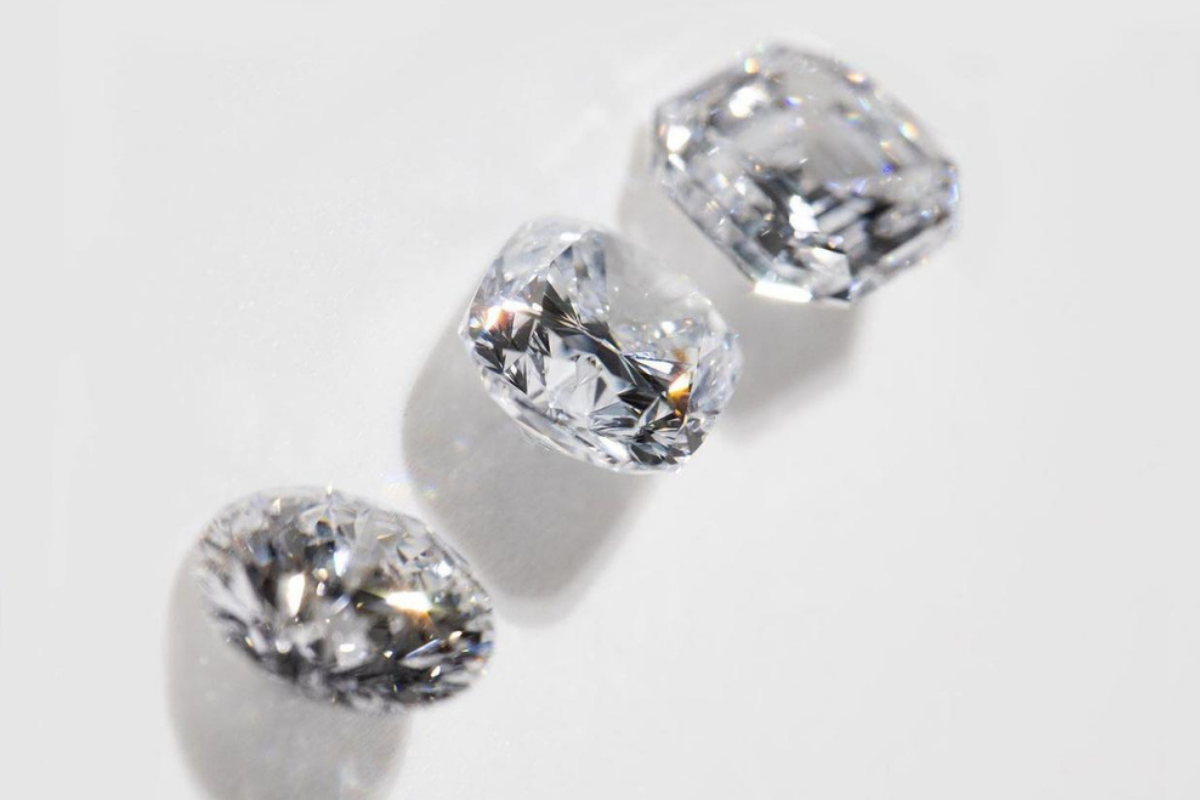
Key differences at a glance
|
Parameter |
Natural diamond | Lab-grown diamond |
|---|---|---|
|
Origin |
Forms naturally deep within the Earth | Grown under controlled conditions |
|
Formation time |
Millions or billions of years | Usually several weeks |
|
Chemical nature |
Carbon with a diamond crystal structure | Carbon with a diamond crystal structure |
|
Price |
Higher due to natural rarity | Lower due to scalable production |
|
Uniqueness |
Each stone has a natural set of inclusions and characteristics |
Growth characteristics depend on the growing conditions |
|
Secondary market |
More established, but does not guarantee investment returns |
Typically experiences a greater loss in value after purchase |
|
Environmental aspect |
Associated with mining |
Does not require mining, but depends on the energy source used in production |
The fundamental difference between them is therefore their origin, not their physical nature: both are diamonds, but they are formed in different ways.
What is a natural diamond?
A natural diamond forms deep beneath the Earth's surface under extremely high temperatures and pressure. The process takes a very long time — from hundreds of millions to billions of years. During geological processes, crystals are brought closer to the surface, after which they are extracted from rock.
Natural origin largely determines the main characteristic of these stones — their geological rarity. A new natural diamond cannot be created within a few weeks or produced in quantities that simply respond to market demand.
At the same time, a diamond's natural origin does not automatically mean higher quality. An individual stone may have different color, clarity, cut proportions, and internal inclusions. That is why two natural diamonds of the same carat weight can differ significantly in appearance and price.
What is a lab-grown diamond?
A lab-grown diamond is grown under controlled conditions using HPHT and CVD technologies. The result is a crystal with the same chemical nature and crystal structure as a natural diamond.
According to IGI, lab-grown and natural diamonds have the same chemical composition and fundamental physical properties, which means their origin cannot be reliably determined by visual inspection alone.
The term “synthetic diamond” is sometimes used colloquially to describe diamonds grown in a laboratory. However, it can be misleading because a lab-grown diamond is not an imitation but a real diamond with the same crystal structure as a natural one. Cubic zirconia and moissanite are different materials, whereas a lab-grown stone is a diamond.
Learn more about the origin, properties, and characteristics of these stones in the guide “What Are Lab-Grown Diamonds? — A Complete Guide.”
Natural vs. lab-grown diamond: full comparison table
|
Parameter |
Natural diamond | Lab-grown diamond |
|---|---|---|
|
Origin |
Natural, geological | Laboratory-grown, controlled |
|
Formation time |
Millions–billions of years | Usually weeks |
|
Chemical composition |
Carbon | Carbon |
|
Crystal structure |
Diamond cubic lattice | Diamond cubic lattice |
|
Hardness |
10 on the Mohs scale | 10 on the Mohs scale |
|
Brilliance and fire |
Depend on cut and quality | Depend on cut and quality |
|
Uniqueness |
Natural set of inclusions |
Growth characteristics depend on the technology |
|
Price per carat |
Usually higher | Usually lower |
|
Secondary market |
More established market | Higher volatility and lower resale prices |
|
Environmental impact |
Associated with mining | Depends on the technology and energy source |
|
Certification |
Independent gemological certification available |
Independent gemological certification available, with a laboratory-grown designation |
This table highlights the main principle: a lab-grown diamond is not a “lesser” version of a natural diamond. Its difference lies in its origin.
What they have completely in common
The most important question for a buyer is whether the material itself is different. The answer is: not in their fundamental physical and chemical characteristics.
Both lab-grown and natural diamonds consist primarily of carbon, with atoms arranged in the characteristic diamond crystal structure. This structure gives the stone its exceptional hardness. Both types have the highest rating of 10 on the Mohs scale.
Both also refract and reflect light. As a result, the brilliance of a piece of jewelry depends less on the diamond's origin and more on its cut, proportions, symmetry, and polish.
This is where the 4Cs matter:
- Carat — weight
- Color — color
- Clarity — clarity
- Cut — cut
These characteristics are used to describe diamond quality. IGI states that laboratory-grown diamonds are evaluated according to the same principles as natural diamonds.
Therefore, a stone with excellent cut and well-balanced proportions can look more impressive than a more expensive diamond with less favorable characteristics.
[products]
For SOLO, the approach to choosing a diamond can be summarized simply: the 4Cs and diamond properties at SOLO matter regardless of whether a stone formed naturally or was grown in a laboratory.
Price: how significant is the difference?
Price is often the point at which choosing between the two types of diamonds becomes a practical decision.
Lab-grown diamonds generally cost significantly less than natural diamonds of comparable carat weight and characteristics. The reason is not that a laboratory-grown stone is “worse,” but the difference between natural rarity and scalable production.
According to 2026 market data, for round diamonds in the mid-quality segment, the difference can be approximately 60–85% or more, and the gap is often even more noticeable for larger stones. For example, one current market index reports a median price of around $5,350 for a 1-carat natural diamond compared with approximately $2,150 for a lab-grown diamond in the same quality segment. Other market sources show an even wider gap depending on the stone's characteristics.
Approximate prices in 2026
|
Carat weight |
Natural diamond | Lab-grown diamond |
|---|---|---|
|
0.5 ct |
~$1,200–3,500 | ~$300–1,000 |
|
1 ct |
~$4,000–6,000 | ~$800–1,500 |
|
1.5 ct |
~$6,700–9,300 | ~$1,300–2,300 |
|
2 ct |
~$11,000–14,000 | ~$1,750–3,000 |
|
3 ct |
~$16,700–26,700 | ~$2,300–3,700 |
These are approximate retail ranges rather than fixed prices. The actual price of a lab-grown diamond depends on its color, clarity, cut, shape, certification, and seller. The ranges shown may vary significantly depending on the characteristics of a particular stone.
The difference becomes especially noticeable with diamonds of 3 carats and above. For a natural diamond, increasing carat weight does not simply mean more material: large, high-quality crystals are considerably rarer. As a result, the price per carat increases with size. This factor is much weaker for lab-grown diamonds because production can be scaled.
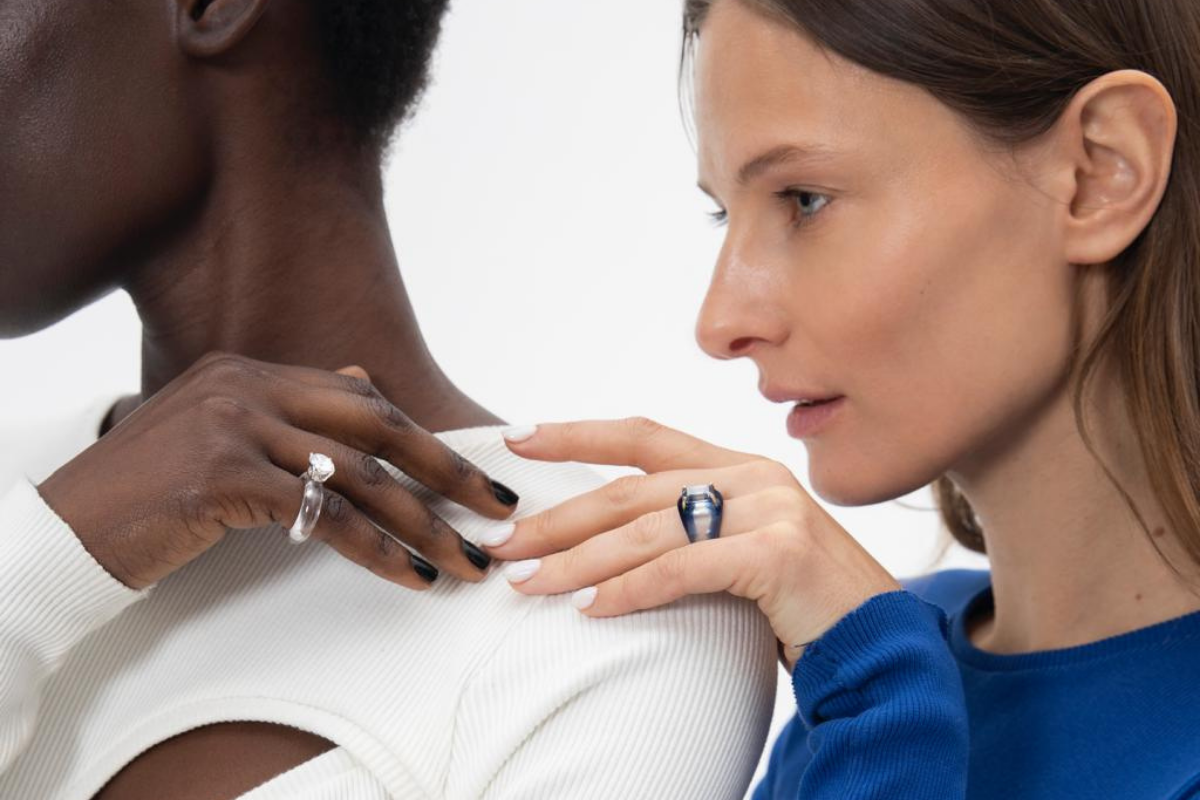
At the same time, the price of a diamond and the price of a finished piece of jewelry are not the same. The final cost is also influenced by the metal, construction complexity, craftsmanship, design, and brand.
Investment value: an honest look
If a diamond is considered purely as a financial asset, both options require realistic expectations.
Natural diamonds have a more established secondary market and a supply constrained by nature. However, this does not mean that an ordinary diamond purchased as part of a piece of jewelry is automatically an investment. The retail price includes design, craftsmanship, brand premiums, and other components that are generally not recovered on resale.
For lab-grown diamonds, the risk of losing value is even more apparent. Production technologies continue to scale, manufacturing costs can change, and supply can increase. As a result, lab-grown stones typically lose a significant portion of their original retail price on the secondary market.
Therefore, if the primary goal of a purchase is preserving financial capital, neither type of ordinary jewelry diamond should be viewed as a guaranteed investment vehicle.
Rare natural diamonds with exceptional characteristics are a separate segment in which pricing works very differently. However, this is not the typical scenario when choosing an engagement ring or a piece of jewelry for everyday wear.
Environmental and ethical considerations
The environmental aspect is one of the reasons buyers consider lab-grown diamonds.
A natural stone must be extracted from the Earth's crust. Mining can involve large-scale earthworks, machinery, energy, and water use, as well as landscape alteration. At the same time, the issue should not be reduced to the formula “natural = environmentally harmful”: the impact varies between deposits and mining methods, while the modern industry uses different responsible sourcing standards.
Laboratory production does not require mining ore to obtain the crystal itself. However, it is not automatically carbon-free. Growing diamonds requires a significant amount of electricity, so the environmental profile depends on the technology, equipment efficiency, and source of electricity.
This distinction is important: a lab-grown diamond makes it possible to avoid mining for the crystal itself, but claims of absolute environmental sustainability for a particular stone require evidence about its production conditions.
That is why it is worth looking beyond the words “lab-grown” and considering the stone's origin, manufacturer, and documentation to verify the stated characteristics.
Uniqueness, colors, and shapes
Natural diamonds appeal to many people precisely because of their geological history. Their inclusions, hues, and other characteristics formed naturally and make each individual crystal unique.
Lab-grown diamonds have a different kind of uniqueness: their characteristics depend largely on the growing conditions, while modern technologies make it possible to produce stones in a wide range of sizes, colors, and cuts.
Of particular interest are SOLO colored diamonds — rich hues can become not simply an alternative to the traditional colorless stone but the central element of a design.

The same applies to diamond shapes. A round diamond remains a classic, but an oval, cushion, emerald, pear, marquise, or radiant cut gives a piece of jewelry an entirely different character.
In this context, the DNA Diamond can be viewed as a modern concept of personalization and symbolism: the value is determined not only by the stone's origin but also by the story a person associates with the jewelry.
Certification: how to verify a diamond's origin
The origin of a diamond cannot be determined visually. Specialized gemological equipment is used for this purpose.
Among the well-known independent laboratories are GIA, IGI, and HRD. They conduct examinations that can establish whether a stone is natural or laboratory-grown and assess its characteristics.
IGI states that it tests stones to determine whether they are natural, laboratory-grown, or simulants and evaluates their main gemological characteristics.
HRD Antwerp also issues separate reports for laboratory-grown diamonds. These reports identify the laboratory-grown origin and provide detailed information about the 4Cs.
GIA uses specialized testing to distinguish natural and laboratory-grown stones. If a buyer chooses diamond jewelry and wants to verify the origin of the stone, it is worth checking the information on the certificate: laboratory-grown diamonds evaluated by GIA carry laser inscription on the girdle identifying them as laboratory-grown along with the report number.
Fluorescence is another interesting technical detail. Some laboratory-grown stones, depending on the growth method, may display characteristic reactions under ultraviolet light. However, fluorescence should not be used independently as proof of origin: accurate identification requires professional examination.
For buyers, the simplest rule is this: if the origin and characteristics of a diamond matter, choose jewelry with an independent gemological report and verify its report number in the database of the relevant laboratory.
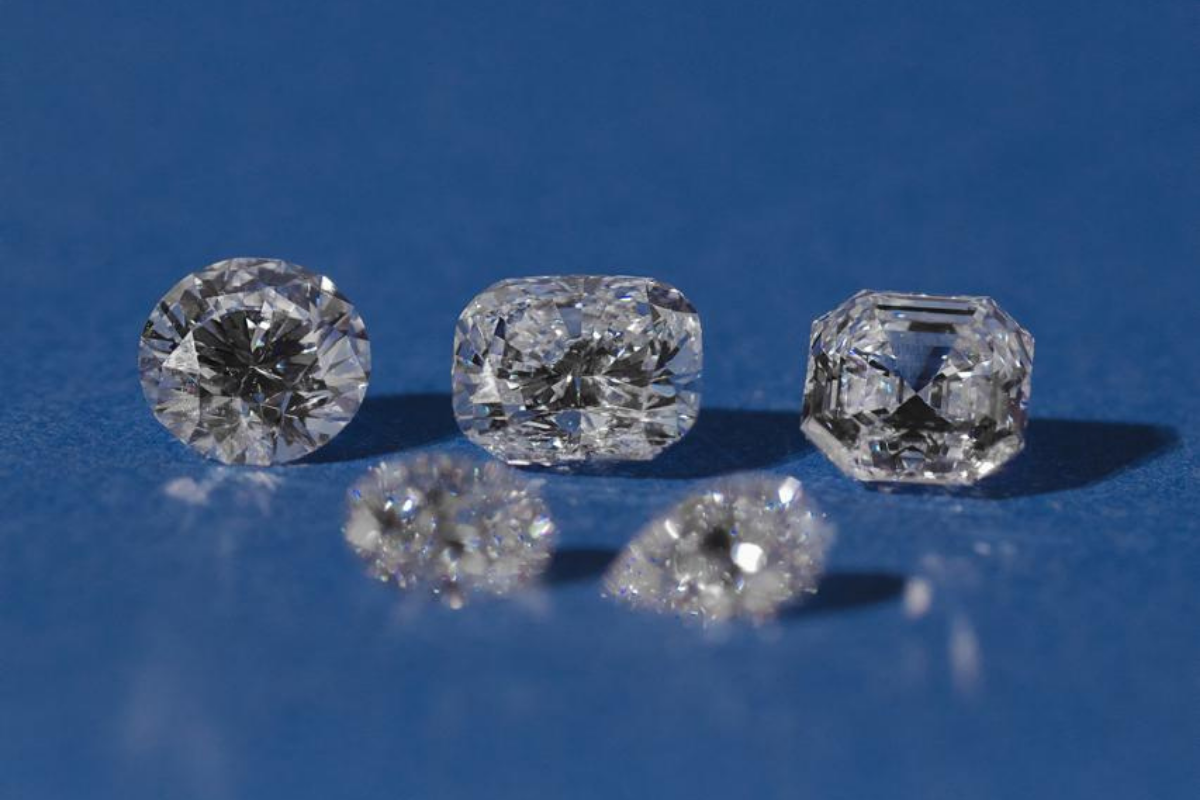
Who is a natural diamond for, and who is a lab-grown diamond for?
The choice between a natural and a lab-grown diamond should begin not with the question of which one is better, but with what matters most to you.
A natural diamond may be the right choice for those who value natural origin, geological history, and the rarity of each individual stone. Its formation took millions or even billions of years, and every crystal has a unique combination of natural characteristics.
A lab-grown diamond offers greater flexibility when choosing size and 4C characteristics. With a comparable budget, you may be able to consider a larger stone or higher color, clarity, or cut grades. For some buyers, another important advantage is its origin without mining the crystal itself, although the environmental impact of an individual stone depends on its production conditions and energy source.
It is also worth considering the future value of the jewelry. Natural diamonds have a more established secondary market, while lab-grown stones generally experience a greater loss in value after purchase. At the same time, for jewelry chosen primarily for its symbolic meaning, emotional value may be much more important than potential resale value.
So there is no universal answer to the question of whether a lab-grown or natural diamond is better. The right choice depends on what matters most to you — natural rarity and history or a modern approach, greater choice, and the possibility of getting more size or higher specifications within a certain budget.
Once you have identified your priorities, you can move on to choosing a piece of jewelry with a specific stone — for example, engagement rings, comparing not only the type of diamond but also its shape, cut, color, clarity, and setting.
If you are considering jewelry from SOLO for Diamonds, it is worth evaluating the stone together with its design, specifications, and documentation. The SOLO for Diamonds quality guarantee complements the diamond's certification and provides additional assurance regarding the characteristics of the jewelry.
Two diamonds, one authenticity
Ultimately, a natural diamond and a lab-grown diamond are not a contrast between “real” and “fake.” Both are diamonds with the same fundamental chemical nature and crystal structure.
The difference lies in their origin story. A natural stone derives its value from geological rarity, while a lab-grown diamond is created through technology and the ability to control its production.
So the right choice is not about finding an abstractly “better” stone. It is about deciding what matters most to you: natural rarity, budget, size, design, an ethical approach, or long-term symbolic value.
FAQ
How much does a lab-grown diamond cost?
What is the difference between a rough diamond and a polished diamond?
What is the difference between a natural and a lab-grown diamond?
How can you distinguish a lab-grown diamond from a natural diamond?
Which diamond is better — natural or lab-grown?


you may also be interested in
14.08.26
7 myths about lab-grown diamonds that are time to dispelAre lab-grown diamonds real or not? We explain in simple terms how they differ from natural diamonds and what to consider when choosing a piece of jewelry. We separate facts from common misconceptions to help you better understand the stone and make an informed choice.
read22.07.26
Diamond engagement ring. A tradition that became a symbol of loveA marriage proposal is one of the most important moments in the lives of two people. Today, it is almost impossible to imagine it without a piece of jewelry that has become a universal symbol of commitment, trust, and the desire to build a future together.
read05.08.26
What are lab-grown diamonds: a complete guide in simple wordsLab-grown diamonds are real gemstones that differ from natural diamonds only by their origin. Discover everything you need to know about HPHT and CVD technologies, certification, differences from natural diamonds, and key factors to consider when choosing a diamond.
read05.08.26
HPHT vs. CVD: how are diamonds really grown in a laboratory?Discover how modern technology transforms carbon into a real diamond, the stages each crystal goes through, and the key differences between the HPHT and CVD growing methods.
read whatsapp
 Telegram
 EMail
EMail