Web Analytics Made Easy - StatCounter
Buy your grown diamond in installments up to 6 months

Bracelets

Bracelets
shop

watch items

Bracelets
shop

watch items

Bracelets
shop

watch items

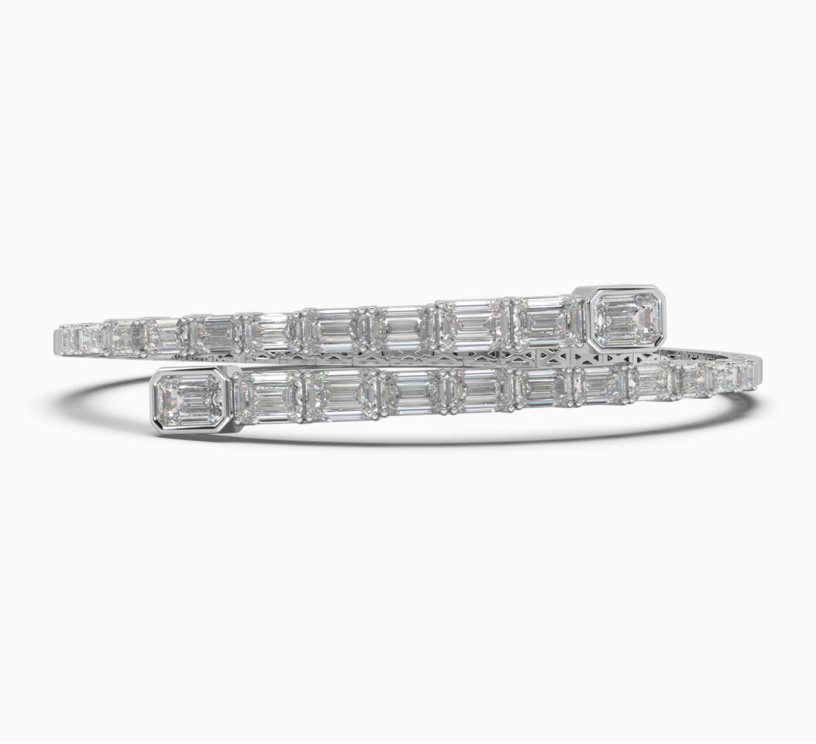
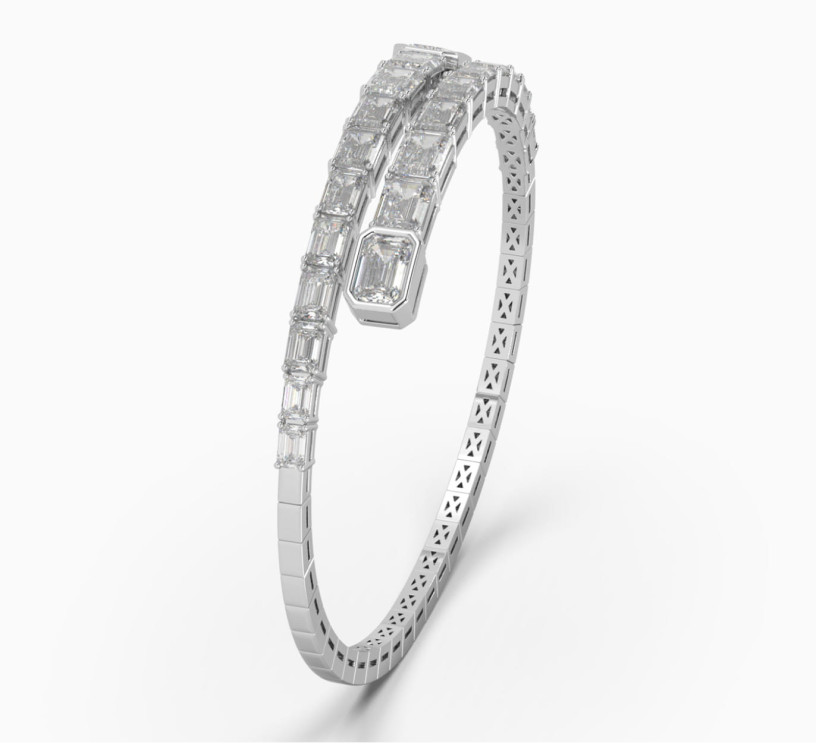
SOLO for Diamonds Cultured Diamond Bracelets

A bracelet with synthetic diamonds is chosen by women who love laconic things and want the jewelry to have meaning, not just shine. At SOLO for Diamonds, this approach is noticeable in the details and in the mood of the collections. Our designs are comfortable to wear every day, and not saved “for a special occasion”.

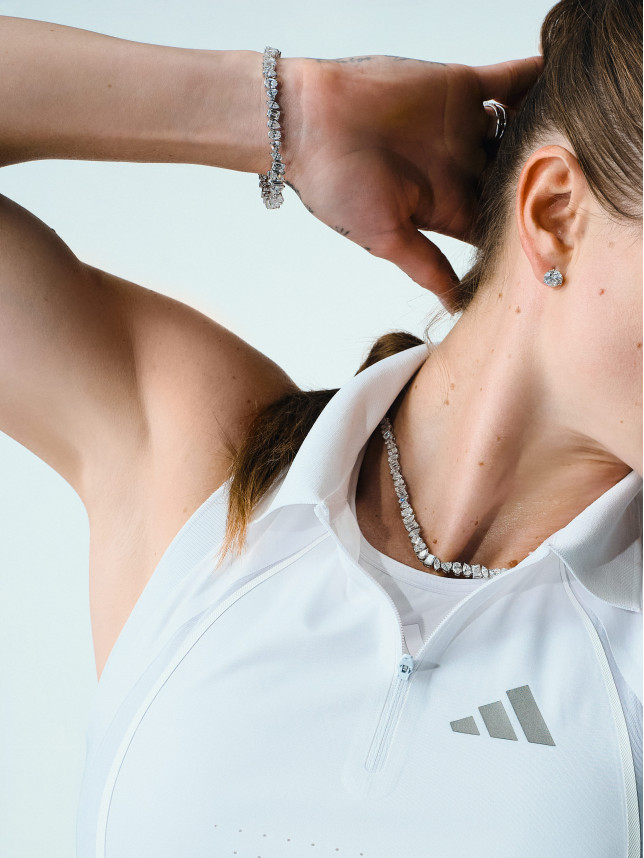
Such bracelets easily fit into the wardrobe without any extra effort. A neat diamond bracelet goes well with both basic sets and evening looks, but does not look too “showy”.

At SOLO for Diamonds, we create jewelry for those for whom it is important to choose consciously. That is why we work with cultured diamonds as an ethical alternative to traditional luxury, without sacrificing the feeling of quality, shine and durability. The Ukrainian origin of the brand is also fundamental for us. We want you to wear the jewelry with a sense of closeness to yours, with pride in local work and with an understanding of what exactly you are paying for. This is how modern jewelry is born, which has character and meaning.
If you like to combine accessories, the bracelet is easy to “assemble” into a set with other jewelry. For example, a pair looks very natural, where there is a lab grown diamond ring, and the bracelet supports it in style and metal.

What are grown diamonds and how do they differ from natural ones

Grown diamonds are real diamonds, just created not in the bowels of the earth, but in a laboratory. The conditions there reproduce what happens in nature, only in a controlled and faster way. Two methods are most often used. The first is HPHT, where the diamond grows under high pressure and temperature. The second is CVD, where the crystal is grown layer by layer in a special chamber.
They have the same properties as natural ones: hardness, shine, transparency, scratch resistance. The difference is more in the origin, history of the stone and production conditions.

Briefly about the differences:

  • Origin: natural is formed in nature, grown is created in a laboratory
  • Quality control: in a laboratory it is easier to control the parameters of the stone's growth
  • Traceability: it is often easier to understand the path of the stone from production to decoration
  • Cost: with the same characteristics, grown is often more profitable
  • Environmental impact: depends on the manufacturer, but the approach is often closer to the idea of ​​ecological jewelry

Due to their more transparent origin, such stones are often called ethical diamonds. It is only important to remember that ethics are not “turned on” automatically. It is influenced by brand policies, certification, production energy and responsibility standards.

What are lab-grown diamond bracelets?

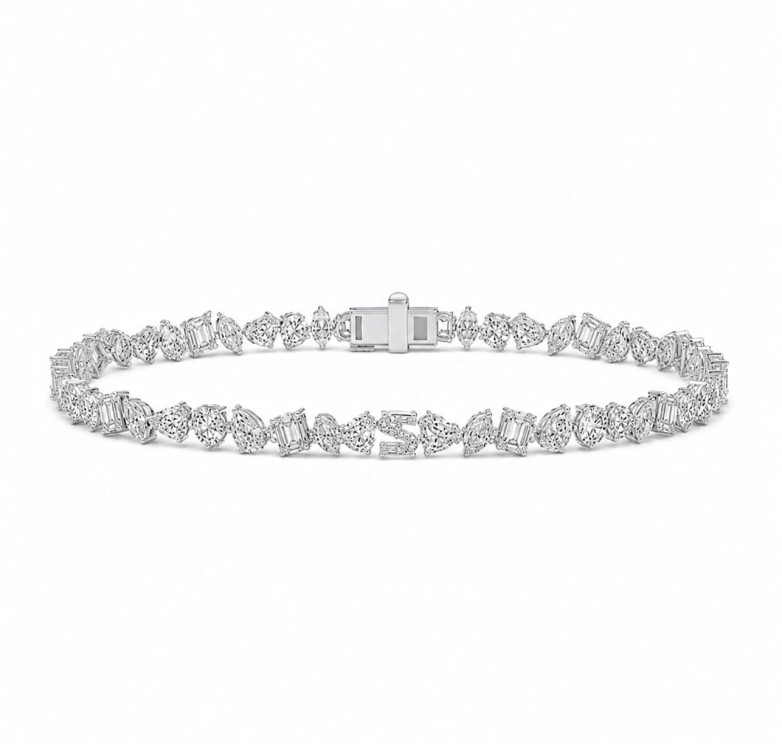
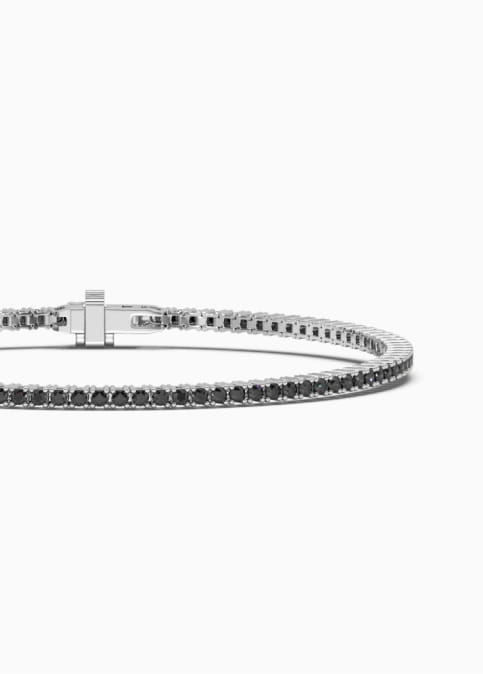
When people say "diamond bracelets," they often imagine a tennis bracelet. It's a classic, where the stones follow a straight line and give off a lot of sparkle. But in reality, the choice is wider, and it is the format that determines how the jewelry feels in life.

The most common types:

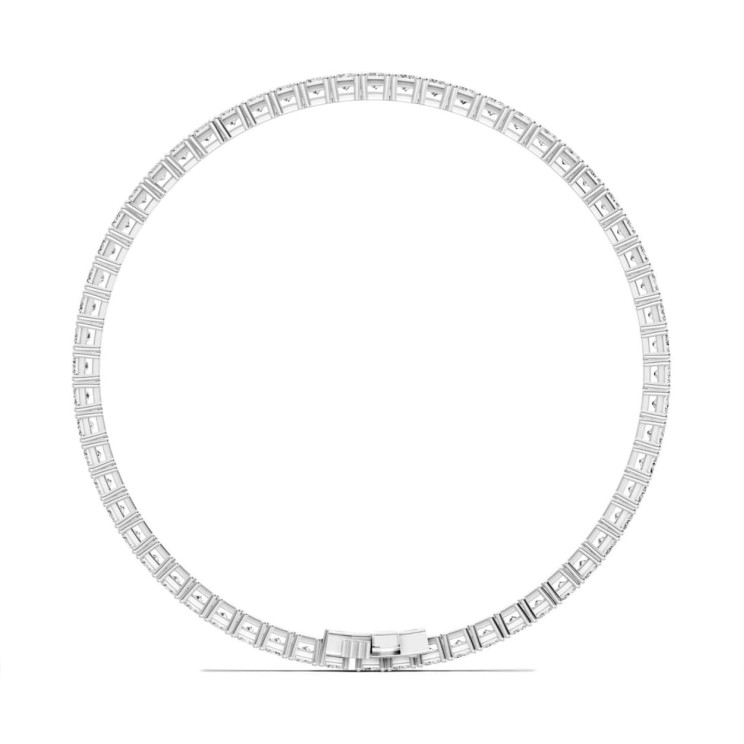
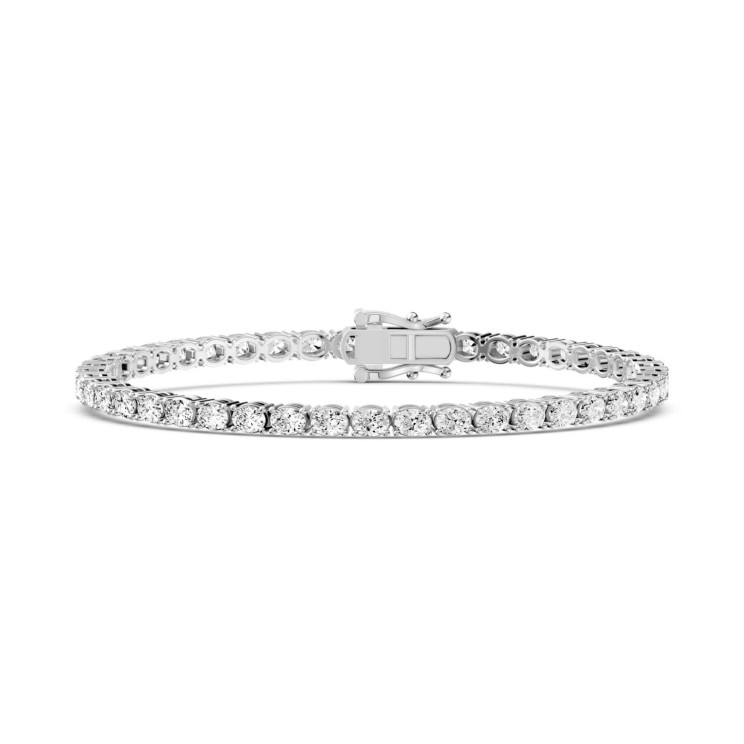
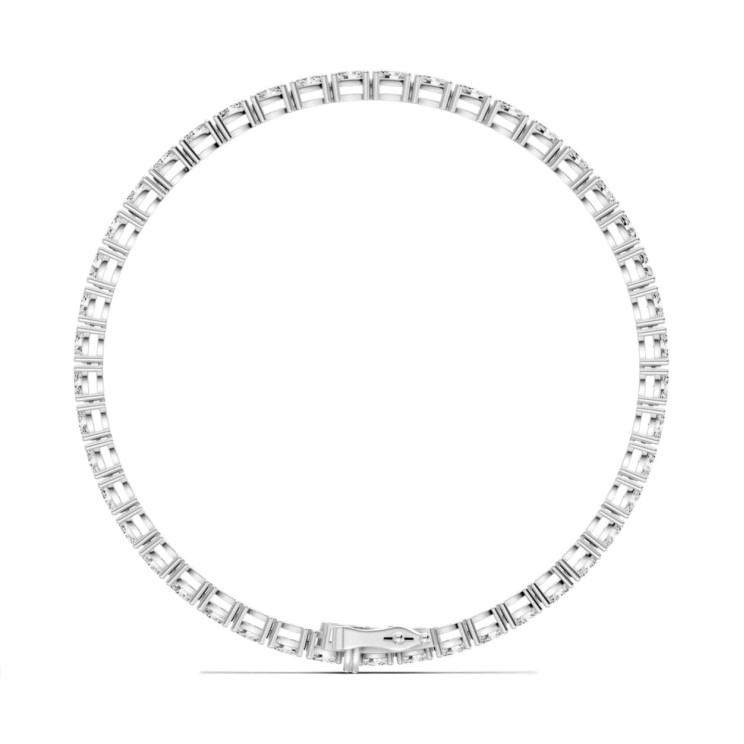
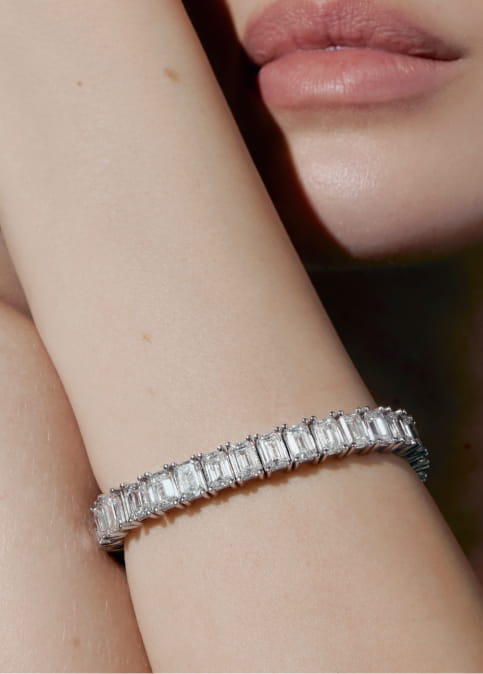
  • Tennis bracelets. Look good on their own and easily combine with a watch or other bracelets.
  • Station bracelets. The stones are placed at a distance from each other, so the shine is more delicate.
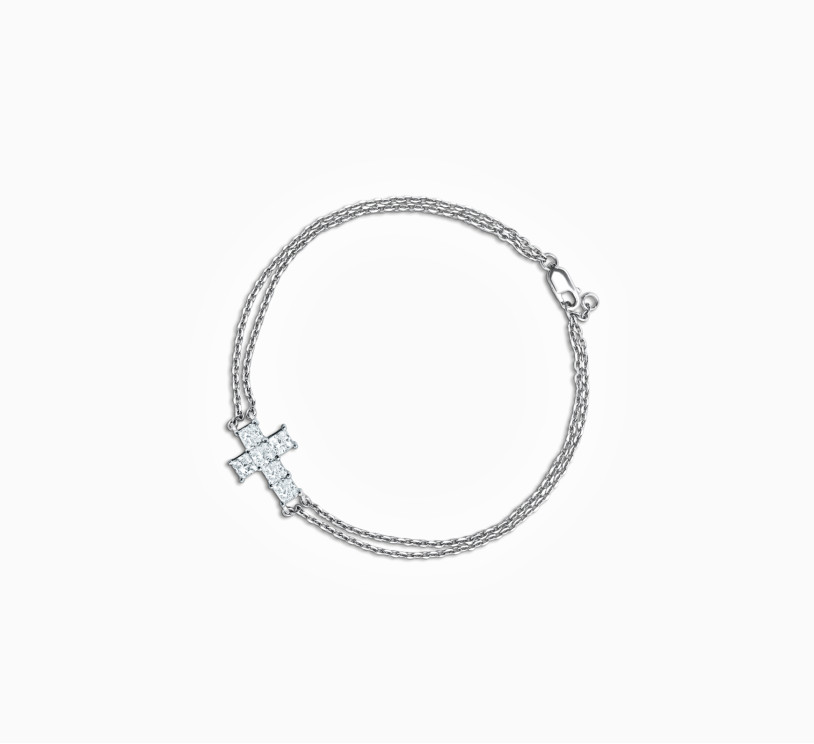
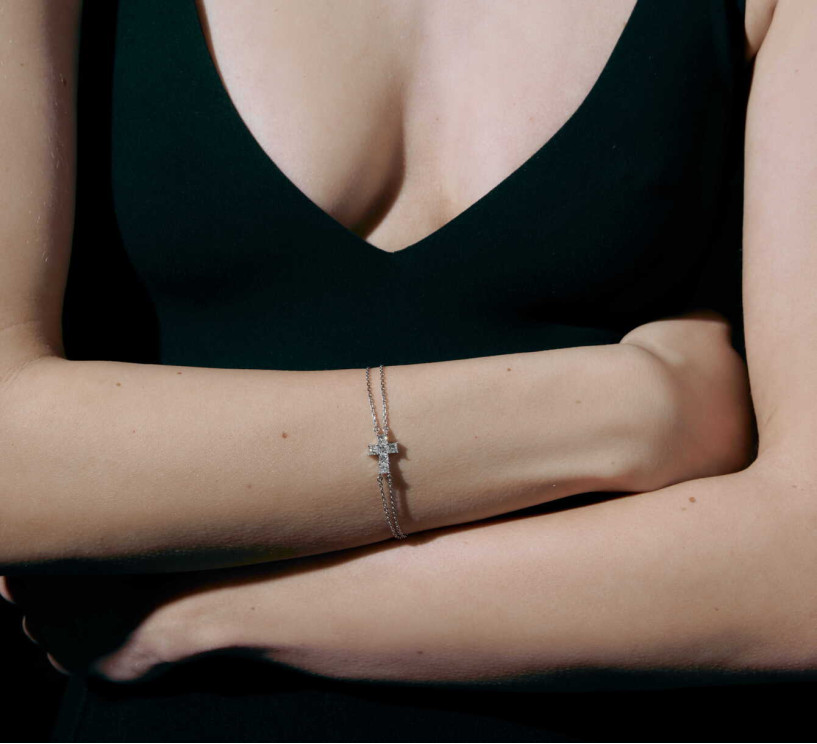
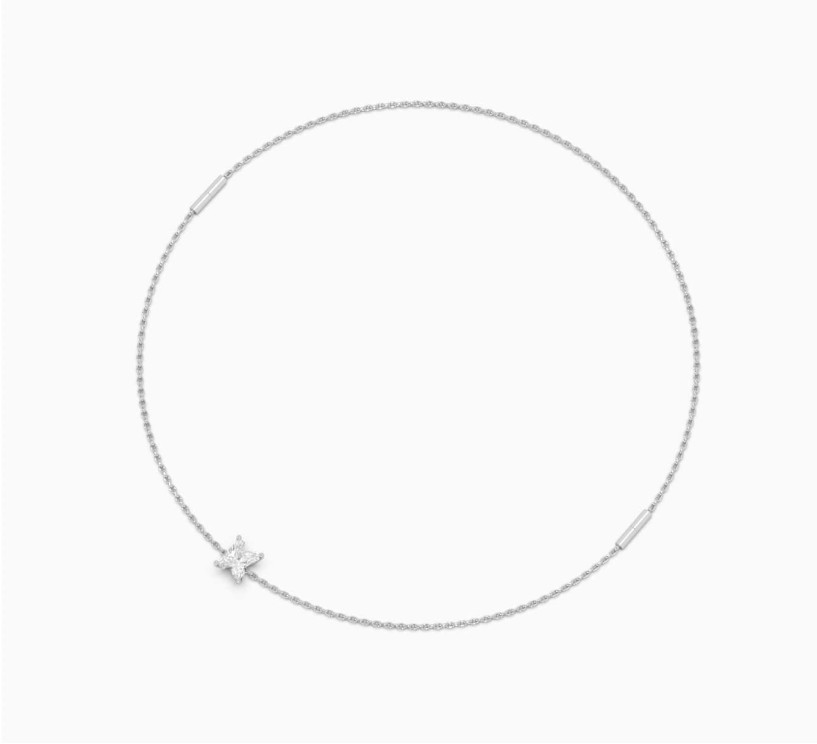
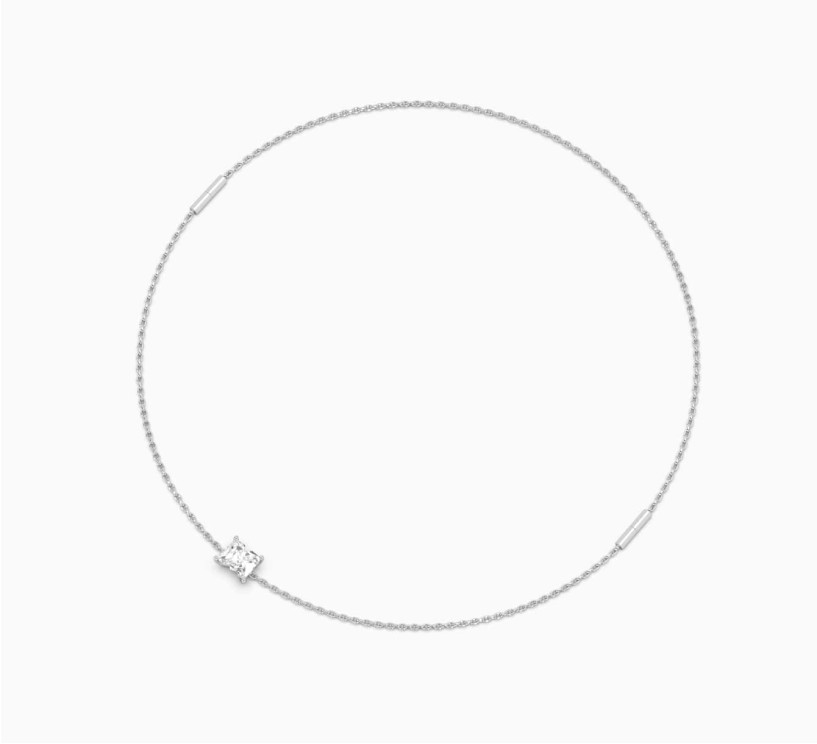
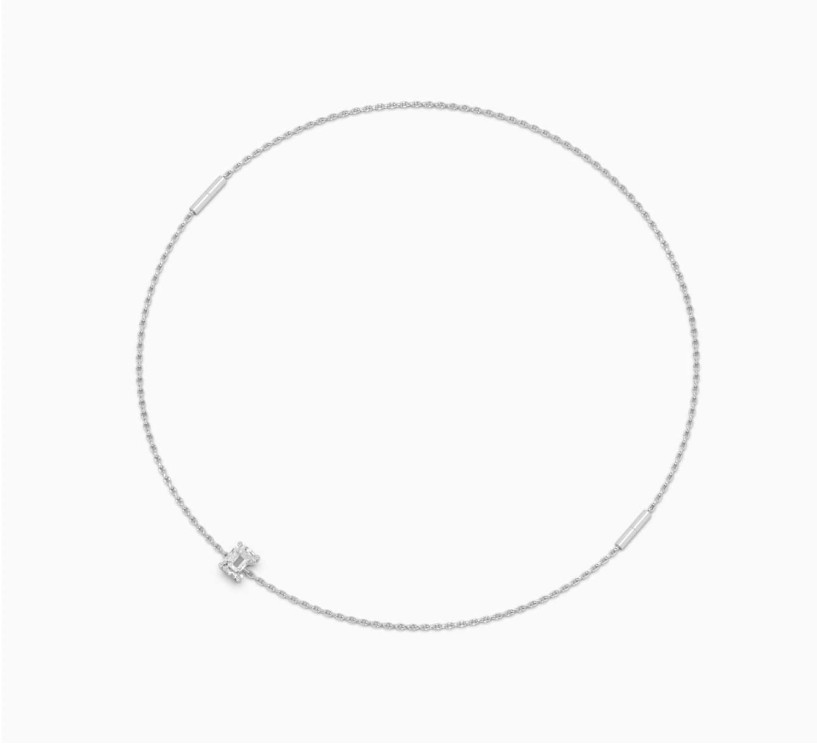
  • Chain models with a single accent stone. It's about lightness and everyday versatility.
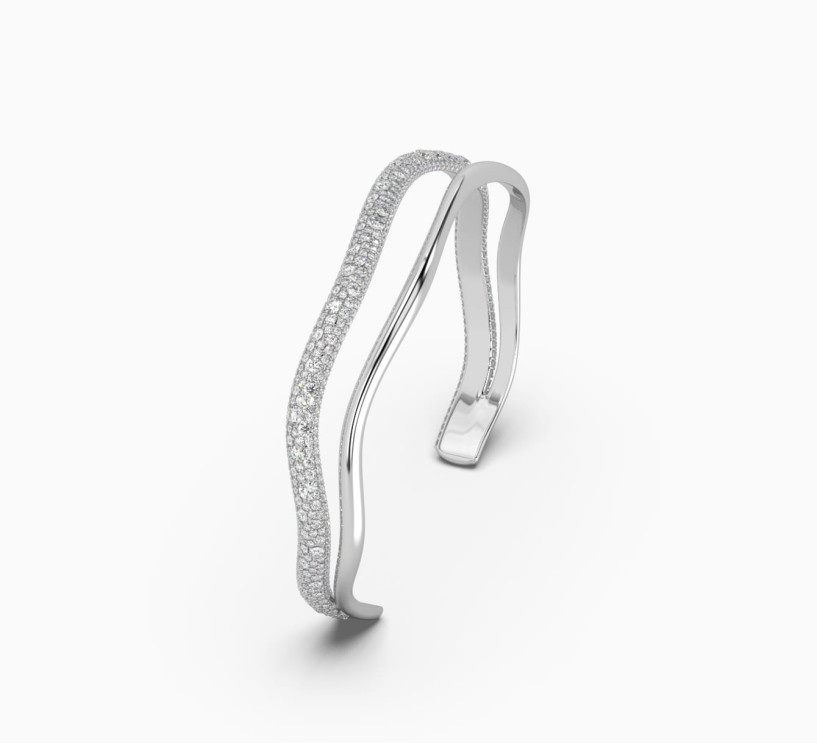
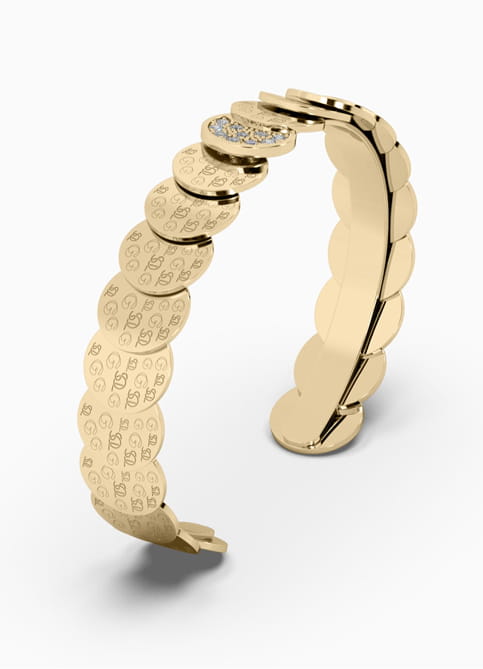
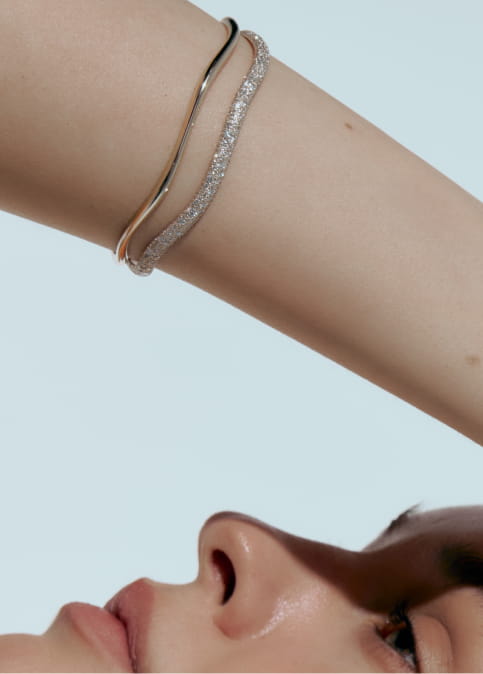
  • Hard bracelets and bangles. They hold their shape, look structural and modern.
  • Models with closed frames, where the stone is protected by metal.
  • A convenient option for an active day.

Metal has a strong impact on the impression. The white gold option usually gives a cool, clean look and emphasizes the transparency of the stones. If you want a warmer mood, you often choose a gold bracelet with diamonds, because it looks softer on the skin and goes well with warm shades of clothing.

A separate note is worth mentioning about minimalistic jewelry with diamonds. They are suitable for those who do not like “loud” things, but want a sense of quality. Thin bracelets with grown diamonds (with one or more stones) can become the same everyday accent that does not get bored.

How to Choose a Bracelet with Synthetic Diamonds

To make the right choice, it's best to start with your lifestyle. Do you wear your bracelet every day or only for special occasions? Do you want maximum sparkle, or do you want a subtle shine? Do you like to mix metals or stick to one tone?

Here's a short list to help you avoid getting confused:

  • Format: tennis, chain, hard, with stations
  • Fit: the bracelet should move freely, but not fall off your wrist
  • Reliability: check the type of clasp and the presence of an additional retainer, if necessary
  • Metal: choose a tone that matches your wardrobe and other jewelry
  • Practicality: for an active day, models with a more protected frame are better
  • Combinations: think about what you will wear the bracelet with most often

When choosing a gift, pay attention to universal silhouettes and comfort. Often, a women's bracelet with diamonds of medium thickness, without too specific details, works best. This makes it easier to guess with style.

It is also useful to immediately imagine a set. A bracelet can support the image together with lab grown diamond earrings, if you like the feeling of collectedness. But it is not necessary to do everything “in tone”, sometimes one common detail is enough, for example, a similar shape of the frame.

And finally, about the purchase. If you plan to buy a bracelet with diamonds, do not hesitate to specify the characteristics of the stones and metal, care conditions and warranty. Good diamond jewelry always has a clear description and does not need “magic words” to prove its quality.

Price request
using
e-mail

Leave contacts using the form below

Get a consultation

Leave contacts using the form below

Thank you!

Our consultant will contact you shortly to clarify the details

back to shopping